NFT has become one of the most talked-about tech terms in recent years, with million-dollar sales making headlines constantly. So what exactly is an NFT? Why are they so valuable? What’s the logic behind a digital image selling for millions? In this guide, I’ll explain everything from the ground up for anyone wanting to step into the NFT world — using simple language for concepts that often seem complicated. By the end, you’ll understand what NFTs are, how they work, and whether they’re right for you.
What Is an NFT? A Simple Definition
NFT stands for “Non-Fungible Token.” Each NFT is a unique, one-of-a-kind digital asset recorded on a blockchain — it cannot be copied or replaced.
Understanding the word “fungible” is key to grasping NFTs. Think of a banknote: if someone swaps your $10 bill for another $10 bill, it doesn’t matter — the value stays the same. Bitcoin works the same way; one Bitcoin equals another Bitcoin. Those are called “fungible” assets.
Simple analogy: Think of NFTs like a signed painting that is the only one in the world. You can take a photo of it, copy it, even turn it into wallpaper. But the original painting is always unique — and the real value lies in the original. An NFT is exactly that: a digital certificate of authenticity.
How Do NFTs Work?
NFTs typically run on the Ethereum blockchain, but other blockchains like Solana, BNB Smart Chain, and Polygon also support NFTs. Every NFT has its own unique ID and ownership information permanently recorded on the blockchain.
When you create an NFT (a process called “minting”), the following information gets stored on the blockchain:
- The NFT’s unique identifier
- The current owner’s wallet address
- Metadata linked to the NFT (image, video, music, etc.)
- Creation date and transaction history
This information is public and unchangeable. Anyone can see who owns an NFT. When you buy an NFT, the ownership record on the blockchain transfers to your wallet address — just like a digital deed.
What’s the Difference Between an NFT and a Regular Digital File?
You can right-click any image online and save it to your computer. Does that make you the owner of that NFT? Absolutely not.
The real value of an NFT lies in the ownership record stored on the blockchain. Downloading an image doesn’t prove ownership — just like taking a photo of the Mona Lisa doesn’t make you the owner of the painting. An NFT gives you ownership rights over the original digital asset.
Important note: In most cases, buying an NFT only gives you ownership of the token on the blockchain. The copyright to the image, video, or music usually stays with the creator unless stated otherwise. Always check what exactly you’re getting before buying an NFT.
Types of NFTs
NFTs aren’t just digital artworks. Here are the most common types:
Digital Art: The most popular NFT category. Digital illustrations, 3D models, GIFs, and pixel art fall under this category. Artists like Beeple, Pak, and Fewocious have reached massive audiences through NFTs. Beeple’s “Everydays: The First 5000 Days” sold for $69 million.
Profile Picture (PFP) Collections: Collections of 10,000 items like Bored Ape Yacht Club (BAYC), CryptoPunks, Cool Cats, and Azuki are designed to be used as profile pictures. These collections have become status symbols and membership badges for exclusive communities. Bored Apes have sold for hundreds of thousands of dollars.
Collectible Cards & In-Game Items: NBA Top Shot sells NFT collectible cards featuring famous basketball moments. Games like Axie Infinity and Gods Unchained allow players to buy, sell, and trade characters, weapons, and land as NFTs. The “play-to-earn” model is common in these games.
Metaverse Land & Real Estate: Virtual worlds like The Sandbox, Decentraland, and Otherside sell land parcels as NFTs. Owners can build virtual stores, develop games, or use the space for advertising.
Music & Video NFTs: Artists can sell albums, music videos, or exclusive recordings as NFTs — reaching fans directly without intermediaries and earning revenue from their work.
Domain Names (ENS, Unstoppable Domains): Web3 domain names with extensions like “.crypto” or “.nft” are sold as NFTs. For example, you could buy “vitalik.eth” as an Ethereum domain and use it instead of a long wallet address.
Loyalty & Membership Cards: Brands are starting to run loyalty programs on NFTs. Owning a certain NFT might grant access to exclusive events, discounts, or early product releases.
How to Buy and Sell NFTs
Here are the basic steps to buy or sell an NFT:
Get a Crypto Wallet
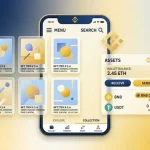
NFTs are usually bought with cryptocurrency. The most popular wallet is MetaMask. You’ll need to load your wallet with the appropriate crypto for your chosen blockchain (ETH for Ethereum, SOL for Solana, MATIC for Polygon, etc.).
Choose an NFT Marketplace
- OpenSea: The world’s largest NFT marketplace. Supports Ethereum, Polygon, Solana, and more.
- Blur: Built for professional NFT traders.
- LooksRare: A community-focused alternative.
- Rarible: Known for its user-friendly interface.
- Magic Eden: The largest marketplace in the Solana ecosystem.
Buy the NFT
Find an NFT you like. You can either buy it at a fixed price or join an auction. When you confirm the purchase, the NFT price plus gas fees will be deducted from your wallet, and the NFT will be transferred to you.
List Your NFT for Sale
To sell an NFT, click “Sell” on the marketplace. Set a fixed price or start an auction. Once sold, the sale amount (minus platform fees and creator royalties) will be sent to your wallet.
Warning: Buying and selling NFTs requires paying “gas fees” (transaction fees). Gas fees on Ethereum can be very high — sometimes $50–$100. For beginners, using low-fee networks like Polygon or Solana might make more sense.
How to Create (Mint) an NFT
Creating your own NFT is fairly simple. Follow these steps:
- Prepare your digital file – image, video, music, 3D model, or any digital file.
- Choose an NFT marketplace – OpenSea or Rarible (look for the “Create” feature).
- Connect your MetaMask wallet.
- Click “Create” – upload your file, give your NFT a name and description.
- Choose a blockchain network – Polygon is recommended for beginners (free or very low fees). Ethereum is more expensive.
- Confirm the creation. Once complete, your NFT is ready.
Some platforms offer free minting (“lazy minting”), while others require gas fees.
Why Are NFTs So Valuable?
The value of an NFT is determined by supply and demand — just like physical art or collectibles. Here’s what adds value to NFTs:
- Scarcity: How many items exist in a collection. CryptoPunks, for example, are limited to 10,000.
- Creator reputation: NFTs from famous artists, brands, or influencers are more valuable.
- Community: Collections like Bored Ape Yacht Club have built exclusive communities offering events and perks.
- Future expectations: An NFT’s potential use in metaverse, games, or other platforms.
- Emotional connection: You might personally value an artwork from an artist you love.
Critical warning: The NFT market is extremely volatile. An NFT you buy for $10,000 could be worth $100 next week. The space is full of bubbles and fake projects. Always do thorough research before investing.
Things to Watch Out For When Investing in NFTs
The NFT world is exciting but full of risks. Here’s what to keep in mind:
- Do your own research (DYOR) – Never rely on hype alone.
- Avoid fake and copycat NFTs – Look for verified badges.
- Track floor price and trading volume – These indicate real demand.
- Watch out for gas fees – They can eat into your profits.
- Don’t make emotional decisions – FOMO is dangerous.
- Only invest what you can afford to lose – This is not financial advice, just common sense.
The Biggest NFT Scams in History
(Refer to our detailed guide on the biggest NFT scams covering Evolved Apes, Frosties, OpenSea phishing, BAYC Instagram hack, and more.)
The Future of NFTs
NFT technology has the potential to revolutionize many areas beyond digital art:
- Property deeds and real estate certificates: Home and land titles could be recorded on blockchain to prevent forgery.
- Diplomas and certificates: Schools could issue graduation certificates as NFTs, preventing fakes.
- Tickets and event entry: Concert, sports, and festival tickets could be sold as NFTs, eliminating counterfeit tickets.
- Digital identities: ID documents and passports could be stored as NFTs.
- Loyalty and membership programs: Brand loyalty programs could become NFT-based.
Future outlook: Today’s perception of NFTs as “digital collectibles” will likely change. In the future, ownership and identity verification will extend to much wider use cases. However, no one knows exactly when the current NFT bubble might burst.
Sıkça Sorulan Sorular
NFTs are like physical art — their value depends on market demand. Some NFTs bring huge returns, but most become worthless. Always research thoroughly and only invest what you can afford to lose.
Absolutely not. Downloading an image doesn’t change the ownership record on the blockchain. The value of an NFT is in the blockchain proof of ownership, not the file itself — just like taking a photo of a painting doesn’t make you its owner.
The most popular choice is MetaMask. It supports Ethereum, Polygon, BNB Smart Chain, and many others. For Solana-based NFTs, use Phantom wallet. Always make sure you have enough crypto in your wallet before transacting.
It depends on the platform and network. On OpenSea using Polygon, you can mint NFTs for free with lazy minting. On Ethereum, you’ll pay gas fees (usually $50–$200). Polygon is recommended for beginners.
No. NFTs can represent in-game items, domain names, metaverse land, music, videos, loyalty cards, diplomas, property deeds, and many other digital assets.
Always choose verified (blue tick) collections. Don’t trust DMs promising exclusive deals. Never share your seed phrase. Don’t click suspicious links or sign unknown smart contracts.